Recruiting Reliable Workers Vietnam
Professional • Skilled • Reliable Workforce
03/08/2026
206
For many years, Japan, South Korea, and Taiwan were the main destinations for Vietnamese workers. Over the past five years, however, interest has increasingly shifted toward European ries such as Germany, Poland, Hungary, and Romania.
Europe’s demand for foreign workers is rising, particularly in healthcare, mechanical engineering, construction, food processing, tourism, and services, largely due to population aging and labor shortages.
Germany alone has over one million unfilled jobs, including positions in healthcare, engineering, and technology. However, European employers are raising recruitment standards.
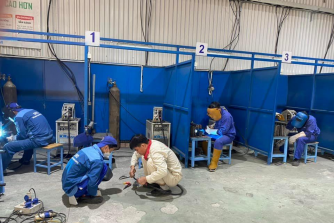
Workers are increasingly required to have professional skills, certificates, experience, and foreign-language ability before departure. This reflects Europe’s shift mass recruitment to hiring qualified workers who can work effectively with less additional training.
Besides Germany and Poland, Southeastern Europe is also becoming a promising destination, especially in tourism and service industries.

Albania is a typical example of an emerging European labor market. With a population of around 3 million but about 12 million international visitors each year, the ry has strong demand for workers in hotels, restaurants, tourism, construction, agriculture, and manufacturing.
Vietnamese workers are valued for their diligence, adaptability, and service experience. Common jobs include chefs, waiters, bartenders, and hotel staff. Average income is around USD 1,000 per month, while tourism and service jobs may offer USD 1,500–2,500, excluding bonuses and tips. Some employers also provide accommodation and meals.
However, as Albania is still a new market, workers should carefully check information and choose reputable recruitment agencies.
Vietnamese workers are showing greater interest in European ries because of higher income, stable working conditions, and long-term opportunities. However, the main challenges are foreign language ability, professional skills, discipline, legal compliance, higher costs, and longer training periods.
In 2026, Vietnam aims to send around 112,000 workers abroad, with priority given to stable, high-income markets, including Europe. Recruitment companies are therefore expected to operate more professionally and take greater responsibility for protecting workers’ rights.



| 03/08/2026 | 206 | Recruiting Reliable Workers Vietnam |
| 03/08/2026 | 227 | Key Strengths of Vietnamese Technical Workers |
| 03/08/2026 | 190 | Vietnam’s Skilled Workforce for International Employers |
| 03/08/2026 | 195 | Why European Employers Choose Vietnamese Workers |